WATSU® Aquatic & Bodywork Therapy
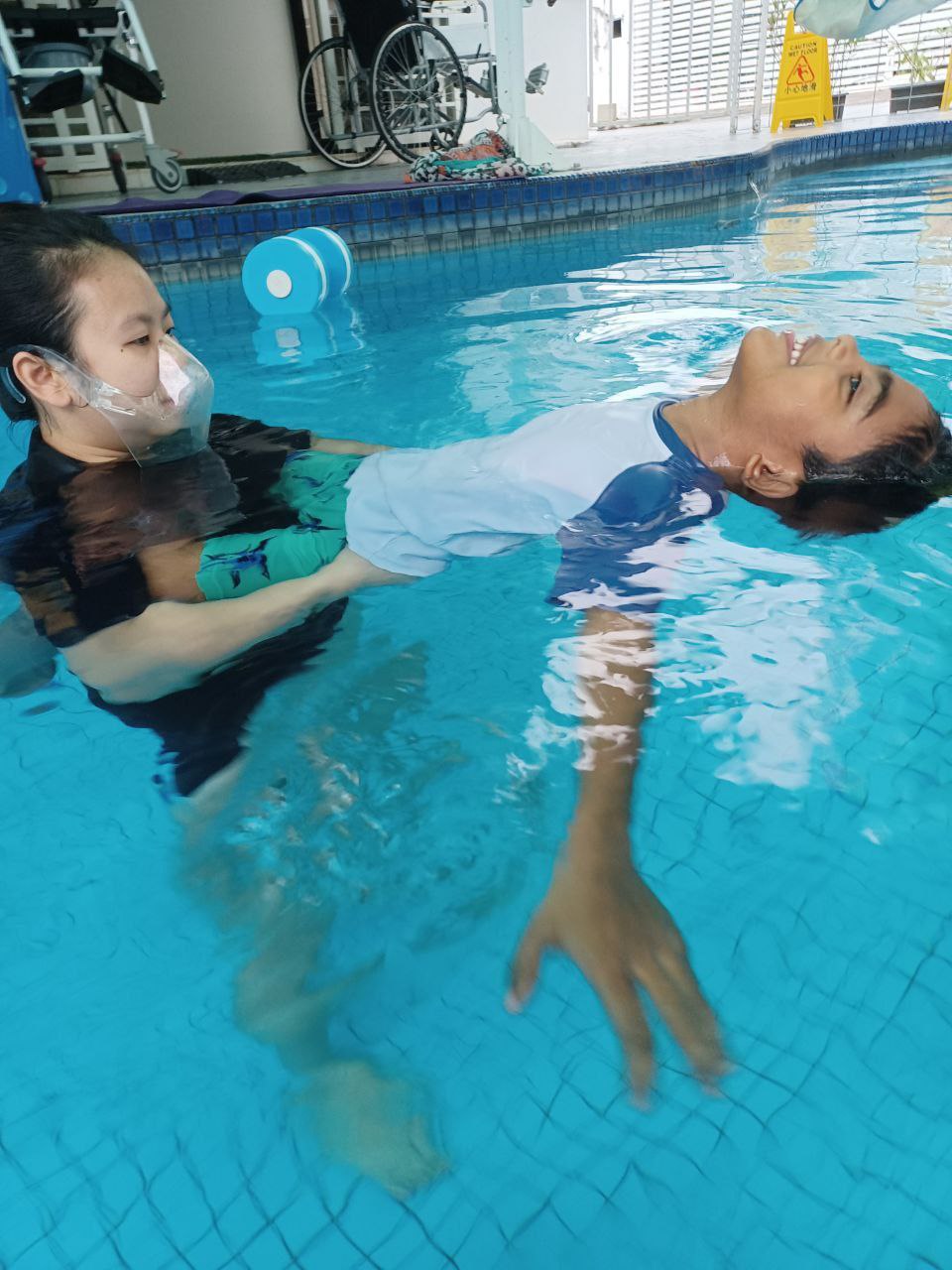
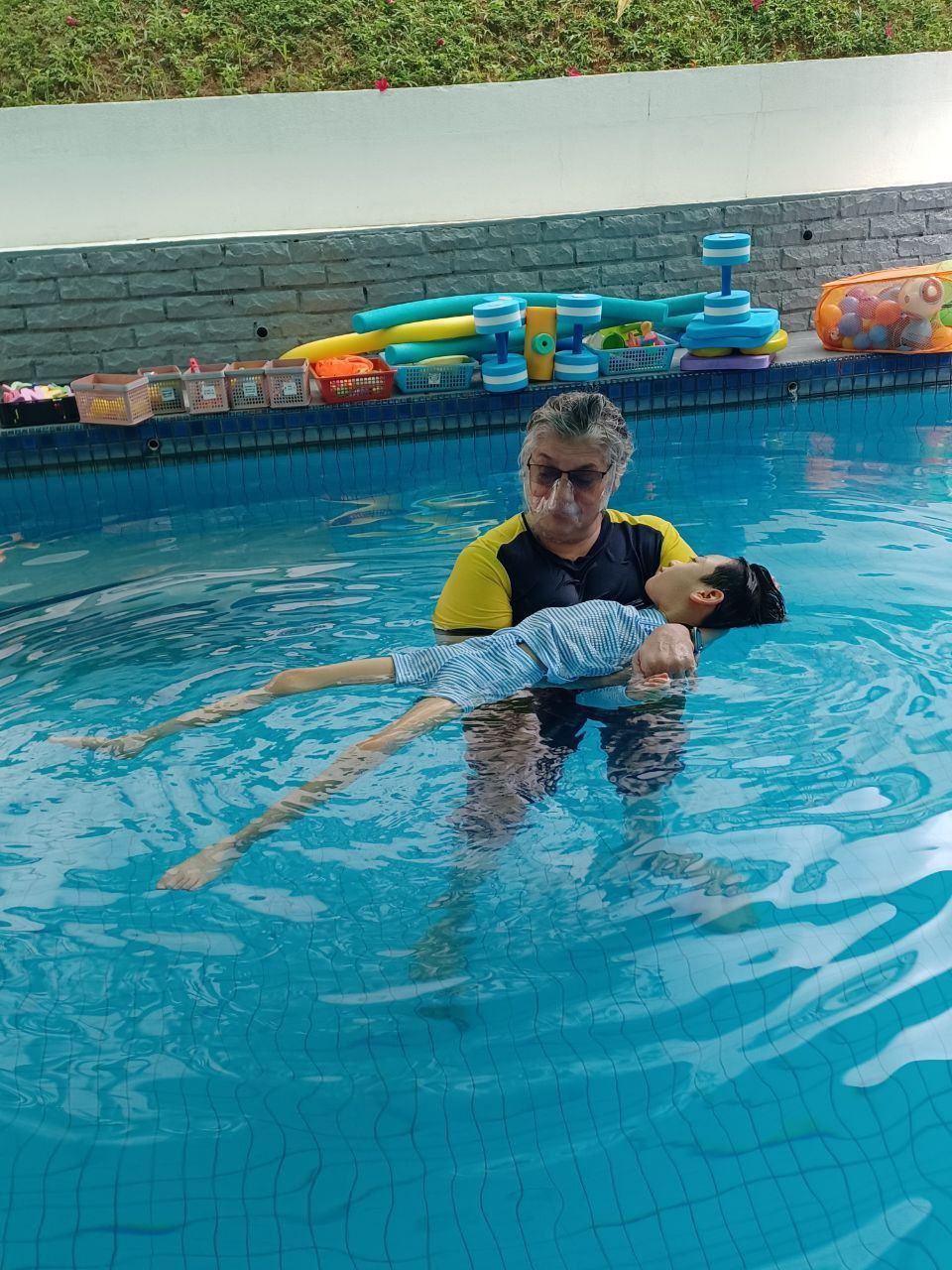
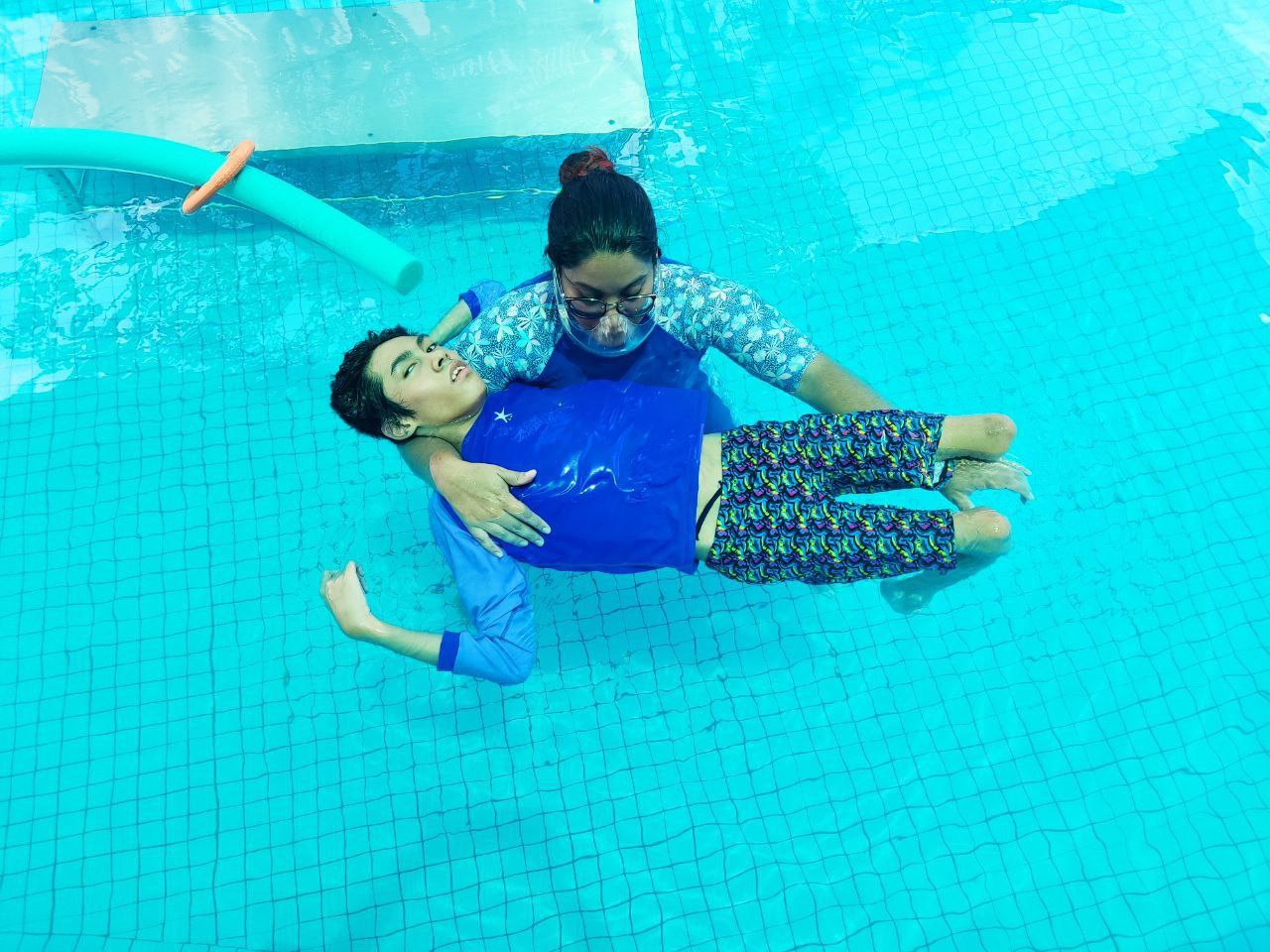
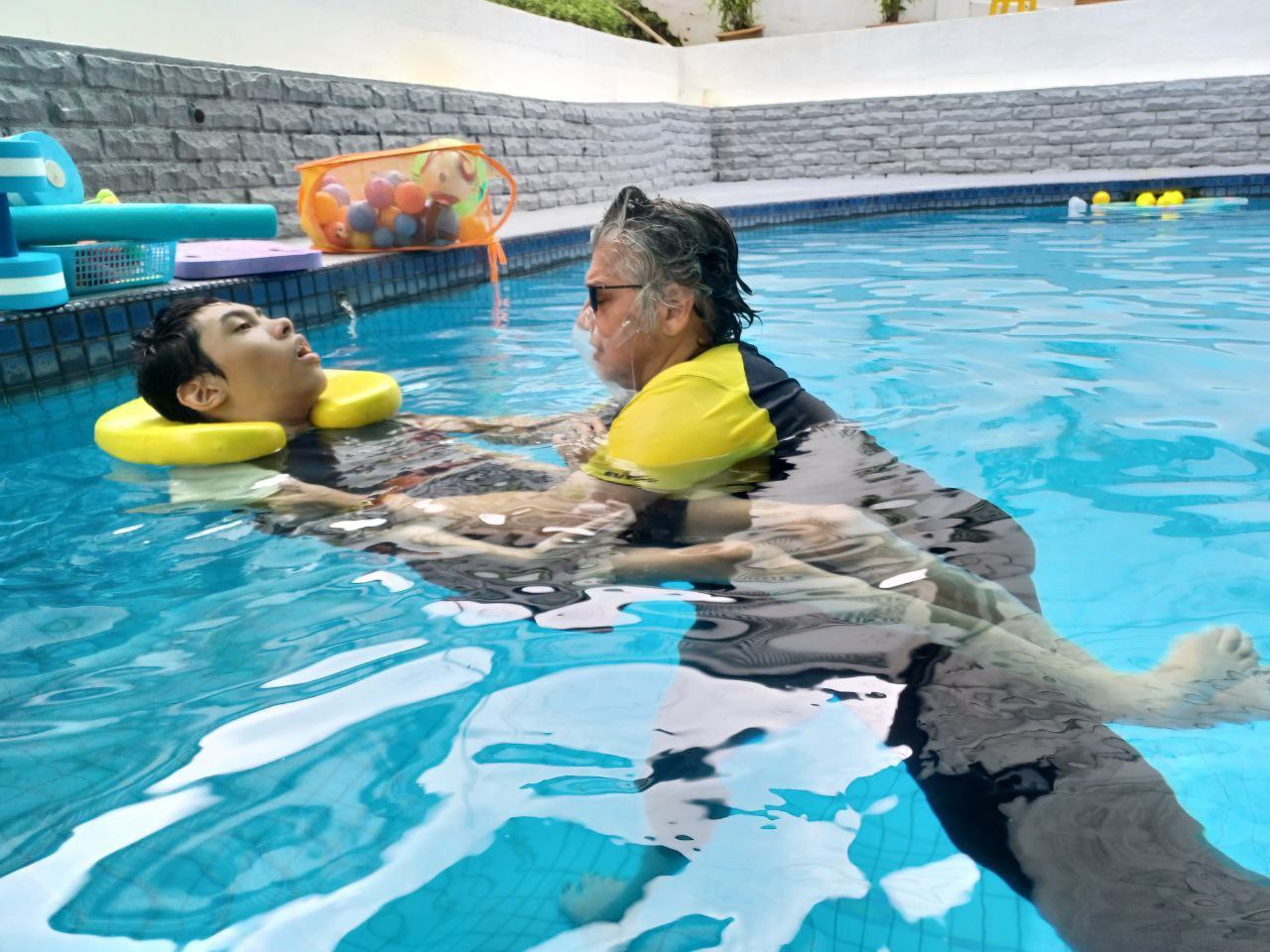
Watsu is a gentle therapy involving floating in warm water. A therapist cradles the patient, working the spine, joints, and muscles through specific stretches, rocking, and rhythmical movements. Stillness encourages the release of tightness, tension, and stress. This modality complements land-based physiotherapy for Cerebral Palsy, Autism, and other disorders, effective for able-bodied children and adults.
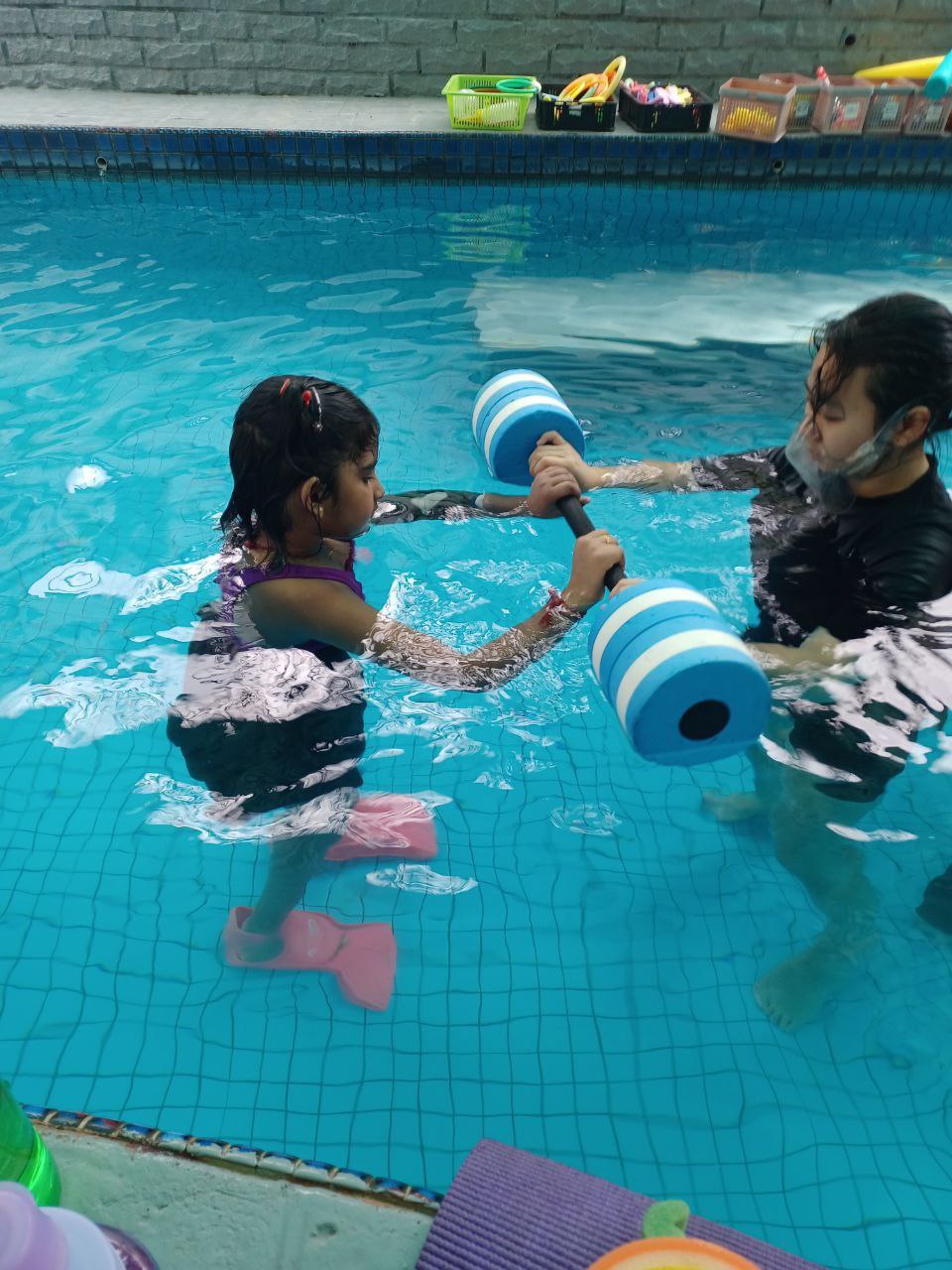
HALLIWICK
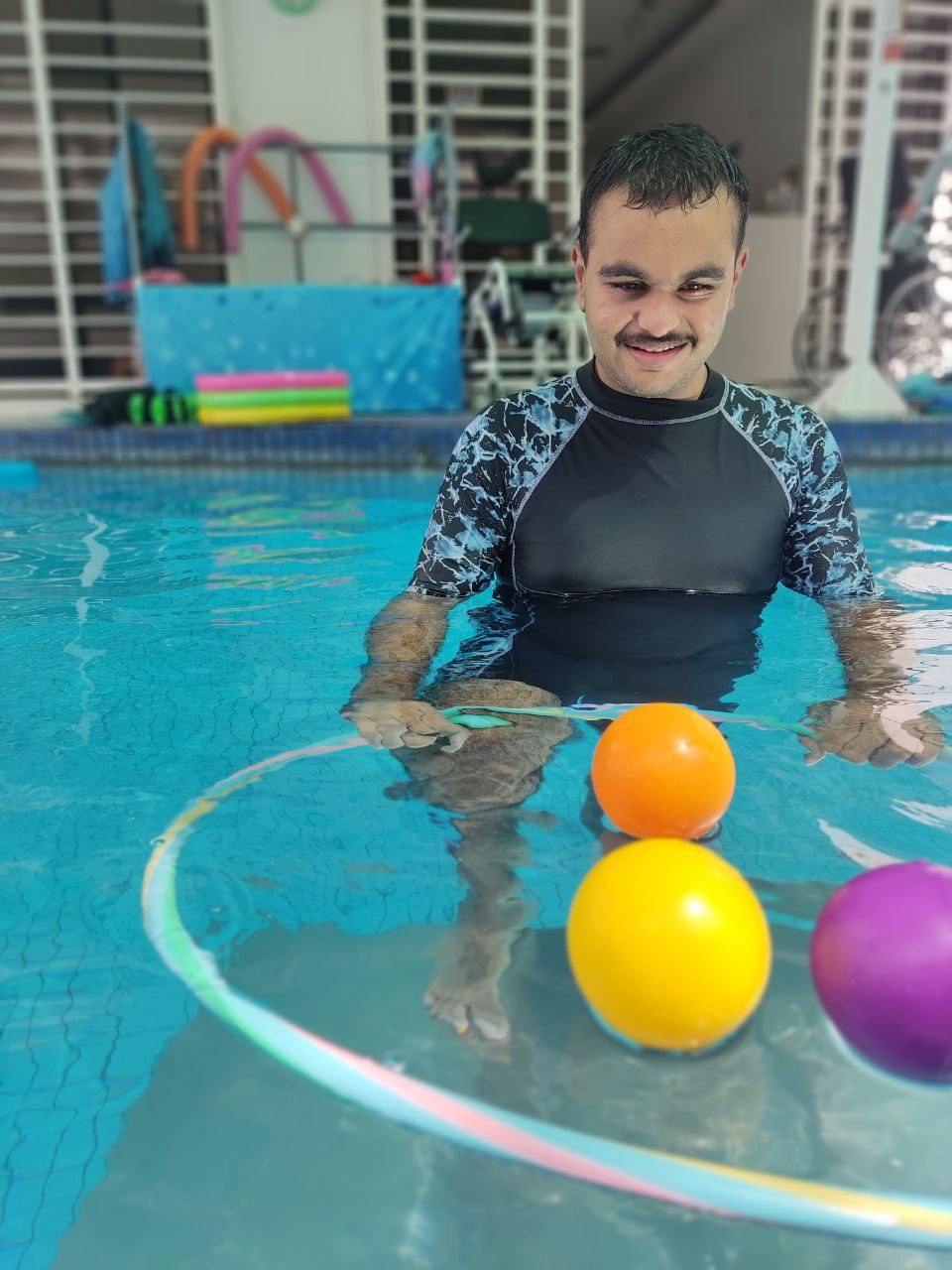
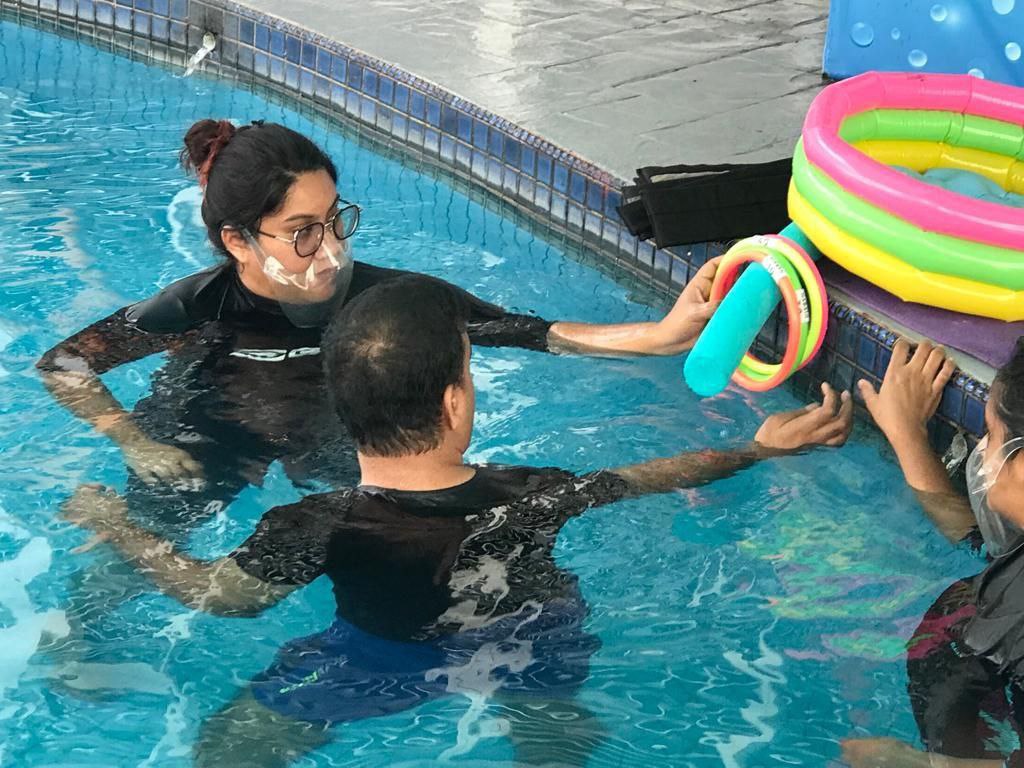
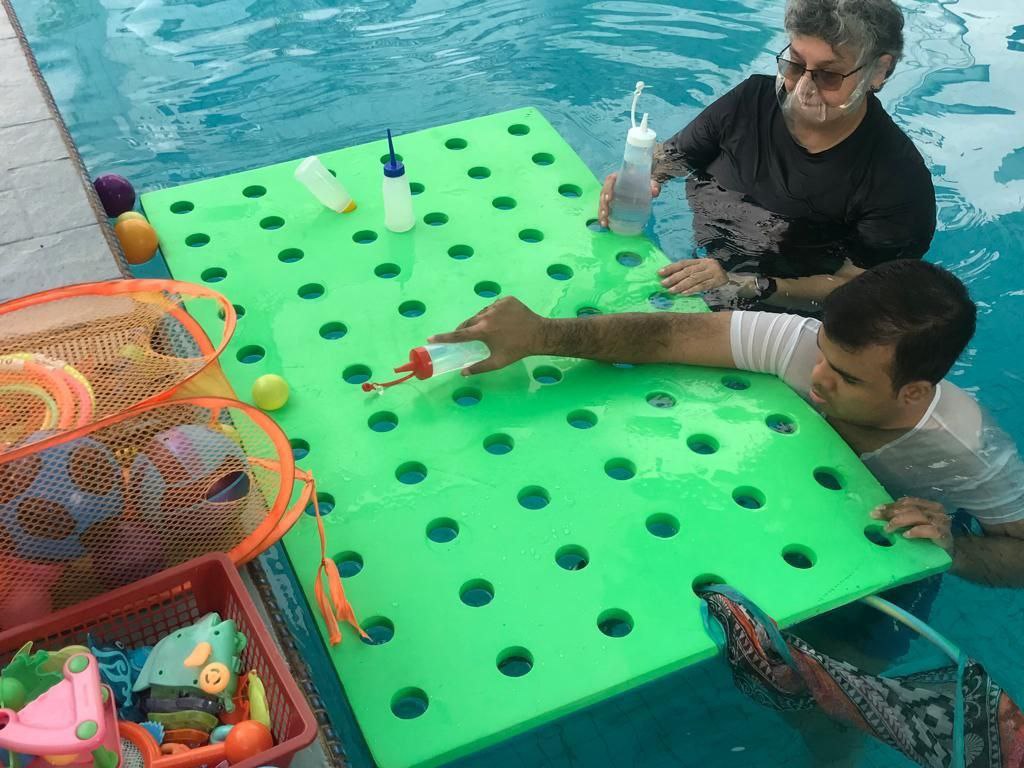
Halliwick AST promotes swimming for people with disabilities, teaching water happiness, safety, and encouragement. Hydrostatics,
hydrodynamics, and body dynamics are used. The purpose is to stimulate involvement and autonomous mobility through swimming instruction. This covers mental and physical adaptation, relaxation, breathing control, balance, and basic motor skills.